Roof Inspection in Town Plot, Waterbury from free with a quote. Free with a quote – and a straight answer to whether a 20-year-old roof needs replacing yet. Free inspection and a written quote.
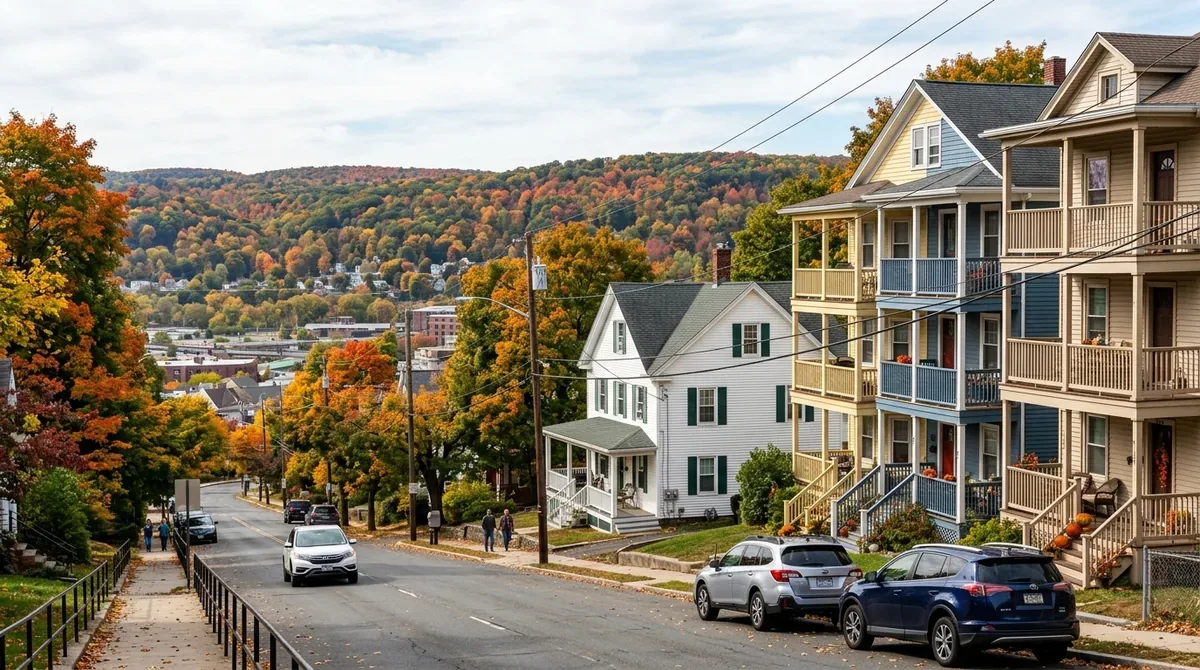
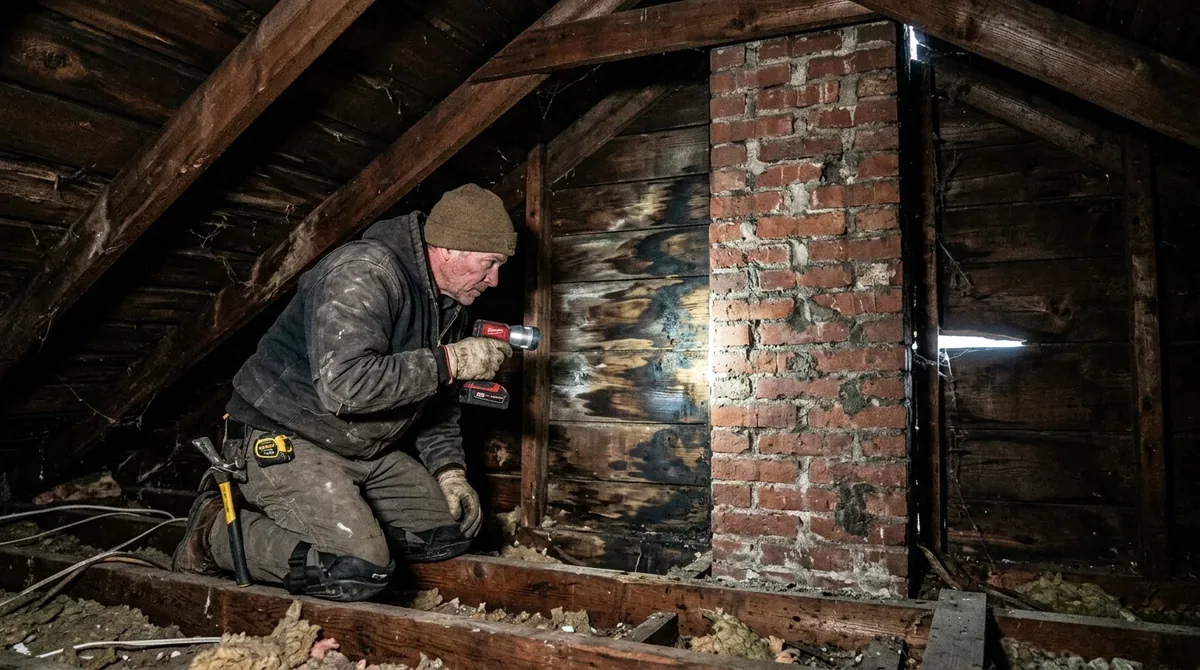
On Town Plot the inspection is mostly in the attic: rafters, boards and how an owner-built or farmhouse frame was put together. On a kept triple-decker it answers the useful question – what will keep this roof under the repair line for longest.
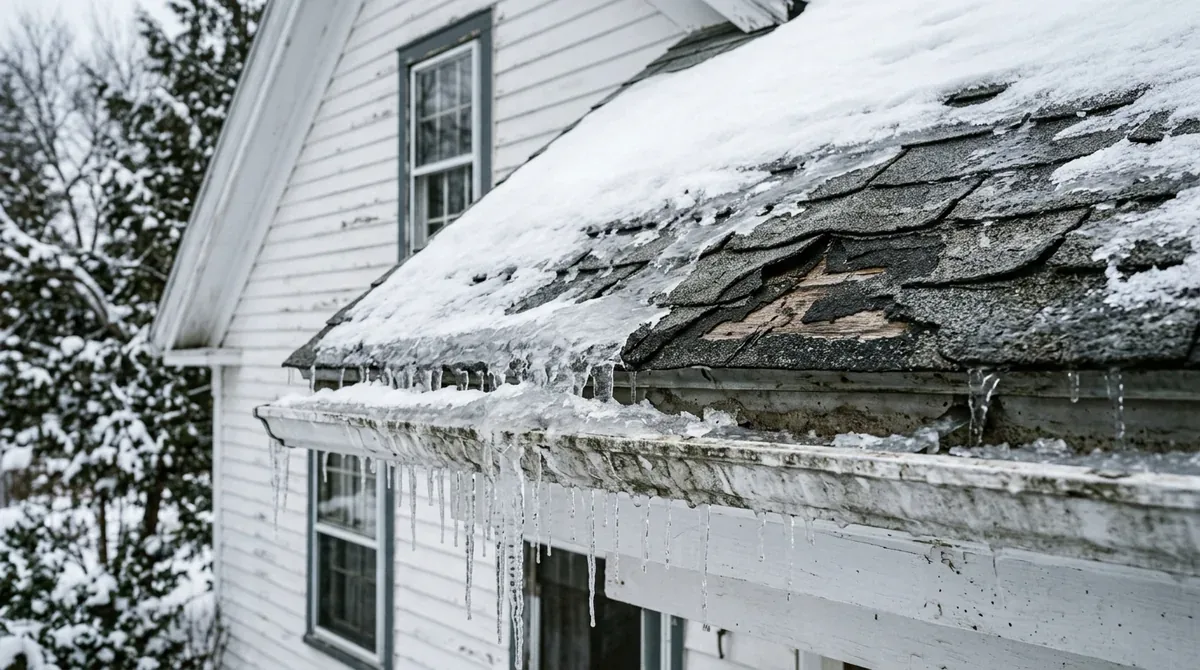
An inspection looks for what gives a roof's age away before it leaks: granule loss and curl on the shingles, cracked pipe boots, flashings lifting or buried in caulk, soft spots in the deck, and in the attic, water tracks, daylight and frost on the nail tips in winter. The point is to find what is failing while it is still a repair.


The inspection is free when it comes with a quote, and the repairs that usually follow are estimated at $400 to $2,000. Every report says where the work falls against Connecticut's 25 percent line. Owner-built frames and old farmhouse rafters are priced after the attic has been seen, not before. Well-kept triple-deckers on the ridge usually make the repair-first case.
Slope, the details that fail, attic, deck and layer count, with photographs and a written view on remaining life – including when that view is that nothing needs doing.
Age is a prompt, not a verdict. The report says whether a twenty-year-old roof has years left or none, and why.
Whether what needs doing is a repair under the 25 percent line or a replacement over it, stated before anyone prices it.
Owner-built houses are the ones where no two roof frames can be assumed alike, and a farmhouse roof may sit on rafters older than any record of them. Every frame here gets looked at from the attic before it gets priced.
On the ridge, a well-kept triple-decker is worth keeping well: repair under the line before it becomes a replacement over it.
Outside, inside, the line, and a written report.
Water tracks, daylight, damp sheathing, layer count at the edges, and in winter, frost on the nail tips.
A plain statement of whether what is needed is a repair under Connecticut's 25 percent line or a permitted replacement.
Photographs, a view on remaining life, and what to do first, in writing, even when the answer is nothing yet.
On the Town Plot ridge a replacement has to start in the attic.
Town Plot's well-kept triple-deckers are exactly the roofs worth repairing under the 25 percent line rather than replacing over it.
On the ridge, wind finds the roof first.
Town Plot's flat roofs are often later additions to old farmhouses and owner-built homes, framed by whoever built them.
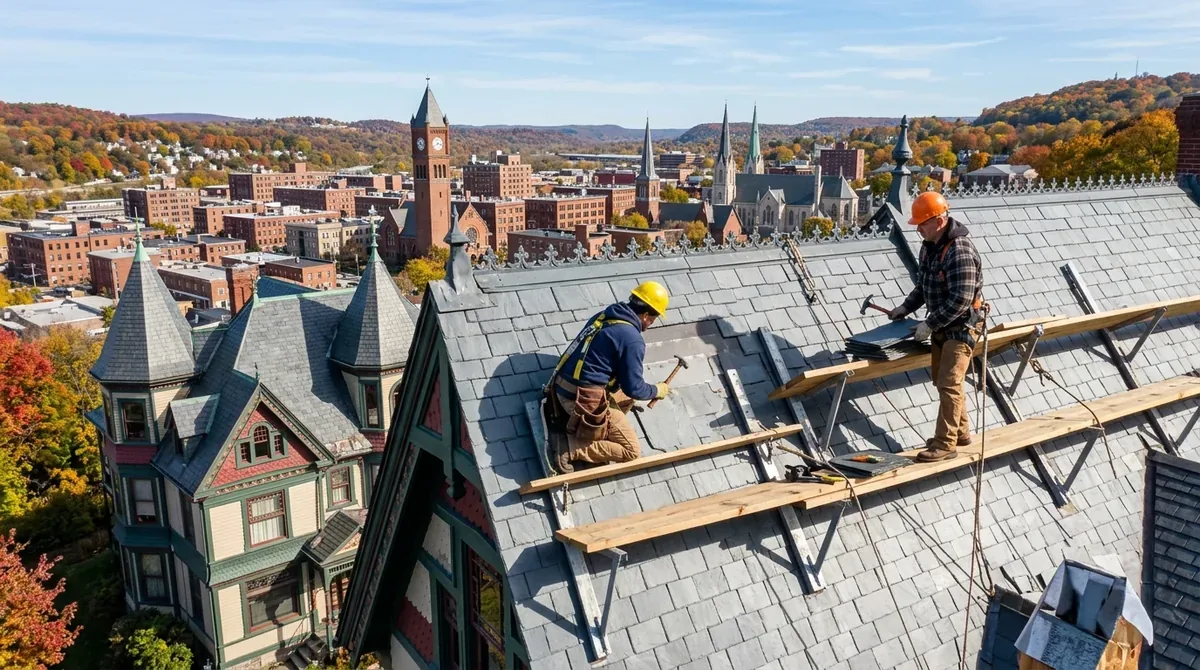
Where a Town Plot farmhouse still has slate, it may be on boards and rafters older than any record of them.
Old farmhouse chimneys on Town Plot can have mortar too eroded to hold counter-flashing until it has been raked and repointed.
One city, one permit office. The 25% line decides it.
Burnt Hill, 1897-1925. Slate and clay tile survive.
Brass-family Queen Annes. Many valleys, steep lots.
Trolley-era half-acre lots. Capes with rooms upstairs.
River to ridge. Triple-deckers and six-family blocks.
Rocky hills, Washington Hill and Hopeville. Access first.
Answered before anyone books a visit.
From the ground: curled or missing shingles, granules collecting at the downspouts, and flashing buried in caulk. From the attic: water tracks, damp insulation, and daylight around vents or the chimney.
Yes, in writing. If the roof has years left, that is what the report says. A report that finds fault every time is not an inspection, it is a sales visit.
It is free when it comes with a quote. The repairs that usually follow are estimated at $400 to $2,000, and the report says which of them can wait.
Every quote states whether the job is a repair or a permitted replacement. The code lines named: ice barrier, deck-joint strip, layer count.